Birkwood Joints
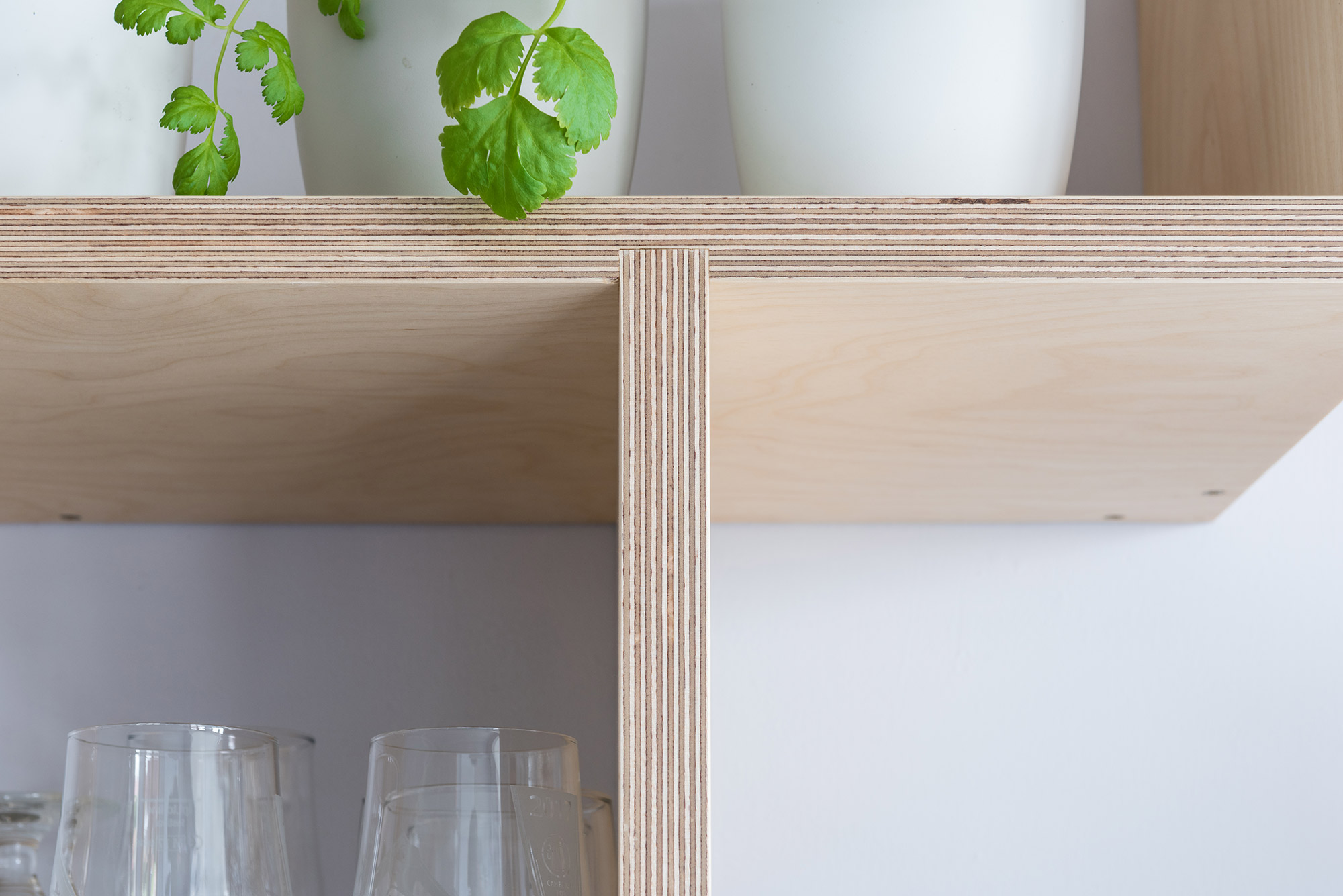
Built properly. Built visibly. Built to last.
At Birkwood, strength is not an afterthought. It’s designed in from the very beginning.
Behind every cabinet front sits carefully considered joinery — techniques that have been used in fine furniture for centuries, adapted for precision plywood construction.
We don’t rely on simple butt joints or hidden fixings. Instead, our cabinetry is assembled using structural jointing methods that lock pieces together mechanically as well as with adhesive. The result is furniture that feels solid because it is solid.
Dado & Rabbet Joints
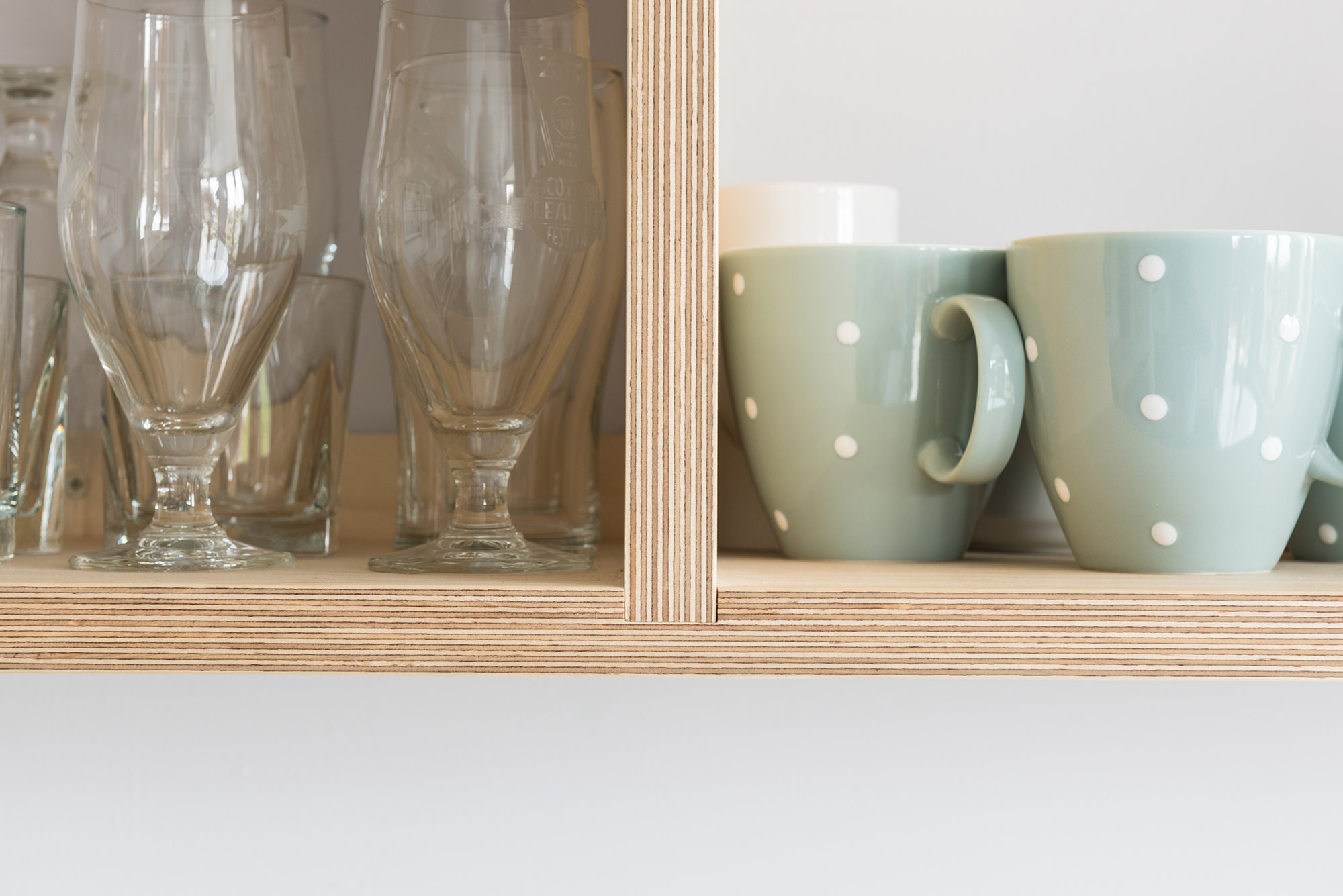
Crisp, linear and immensely strong.
Dado (housing) and rabbet joints allow cabinet sides, backs and shelves to interlock rather than simply meet at an edge. This increases glue surface area, improves alignment, and significantly strengthens the overall structure.
You won’t see them at first glance — but you’ll feel the difference in the rigidity and longevity of the cabinet.
Dovetail Joinery
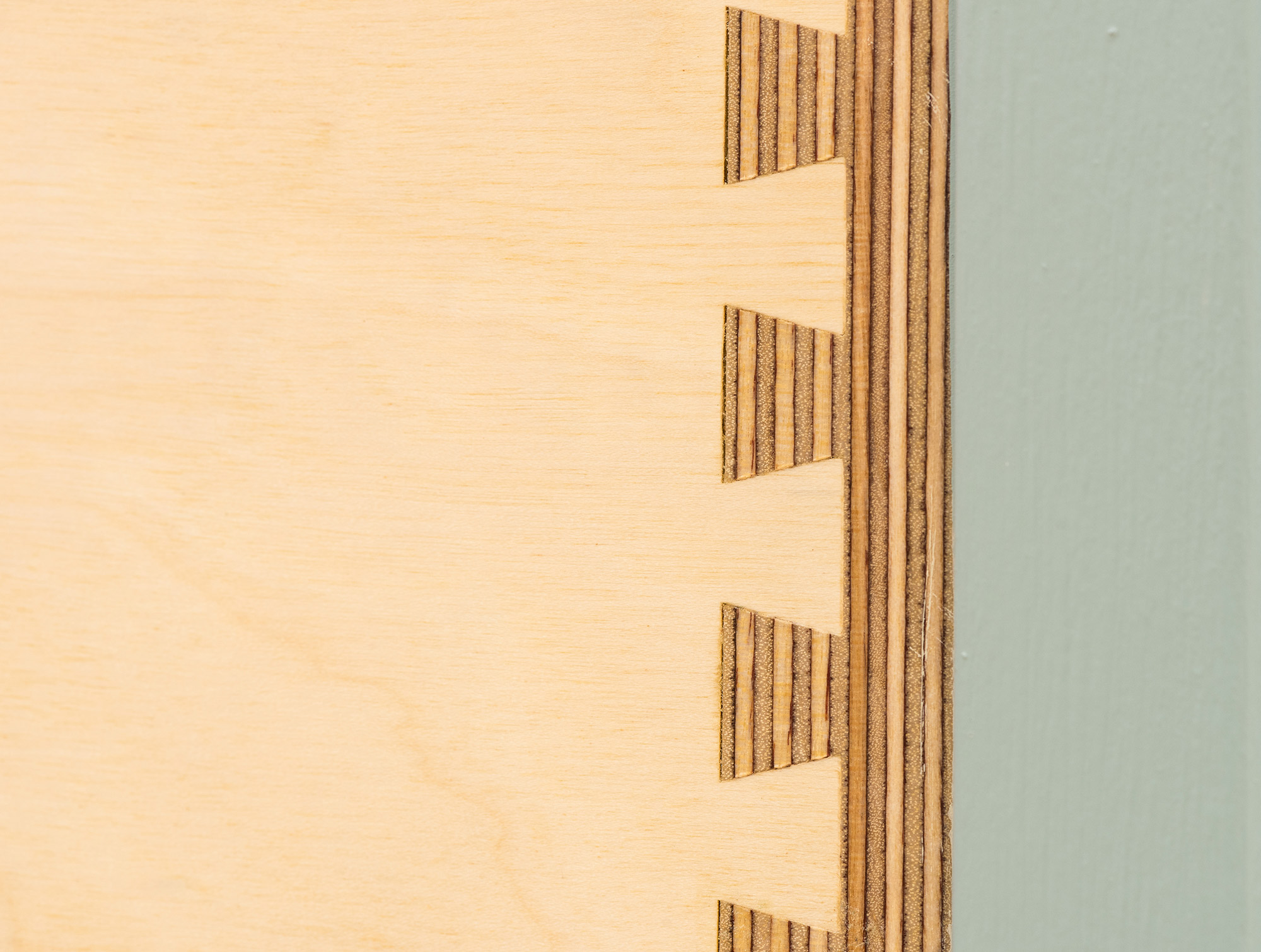
Timeless. Beautiful. Unmistakably strong.
Used in selected areas such as drawer construction, dovetail joints mechanically resist pulling apart. They are one of the most respected joints in traditional cabinet making — and for good reason.
They don’t just look beautiful. They perform.
Mortise & Tenon
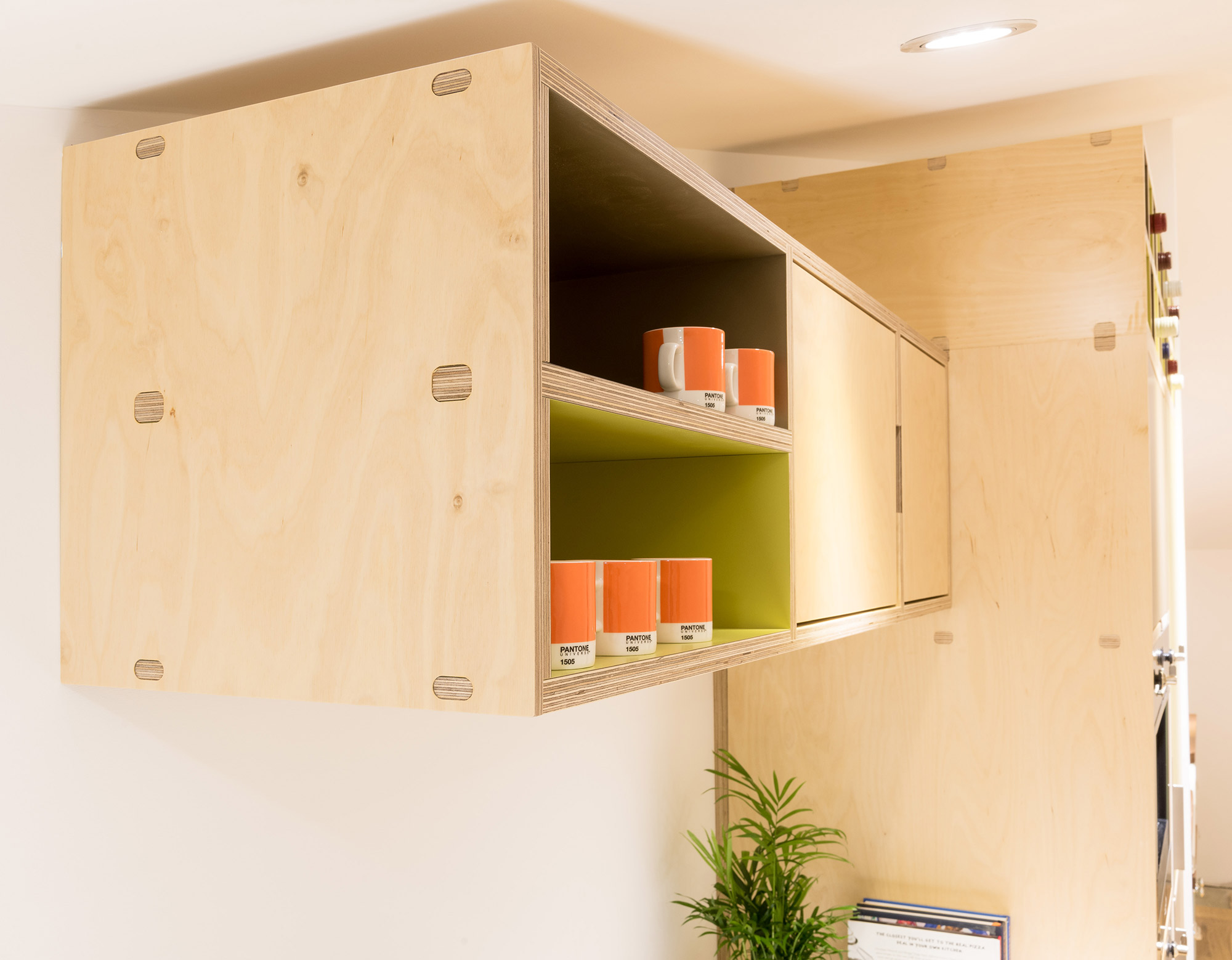
A classic, reimagined in plywood.
In certain areas we use through mortise and tenon joints — where the tenon passes fully through the adjoining piece and is visible on the exterior. This isn’t decorative for the sake of it; it’s structural joinery that also happens to be aesthetically striking.
If preferred, we can use stopped mortise and tenon joints for a cleaner, concealed appearance
Why It Matters
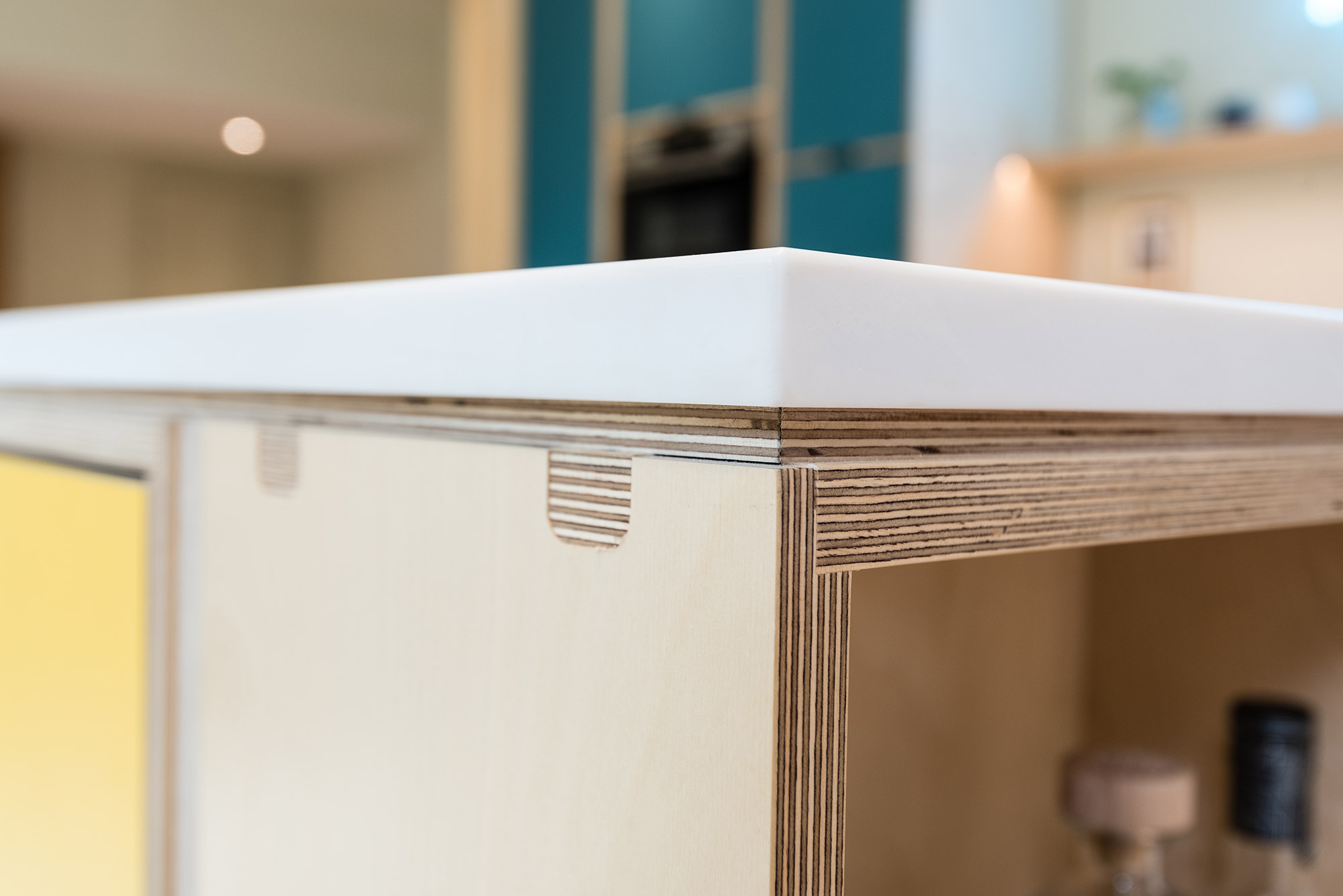
These joints mean:
• Cabinets that stay square.
• Drawers that remain aligned.
• Structures that tolerate decades of daily use.
• Furniture that can be repaired, refinished and lived with long-term.
We build for longevity. The joinery is simply proof.