Bringing colour to life
Confident colour. Considered restraint. Always intentional.
Colour is often the most joyful — and most daunting — part of designing a kitchen.
There are hundreds of options. Thousands, really. Which is exactly why it matters.
At Birkwood, colour isn’t applied as an afterthought. It’s integrated into the design from the beginning — balanced against materials, light, scale and use.
Here’s what we’ve learned over the years:
Colour Should Reflect You
If this is your long-term home, choose colours that feel personal — not safe.
The kitchens that age best are rarely the most neutral. They are the ones that belong to their owners.
If there’s a tone you’ve always loved, that’s where we start.
Restraint Is Powerful
Colour doesn’t need to dominate to be effective.
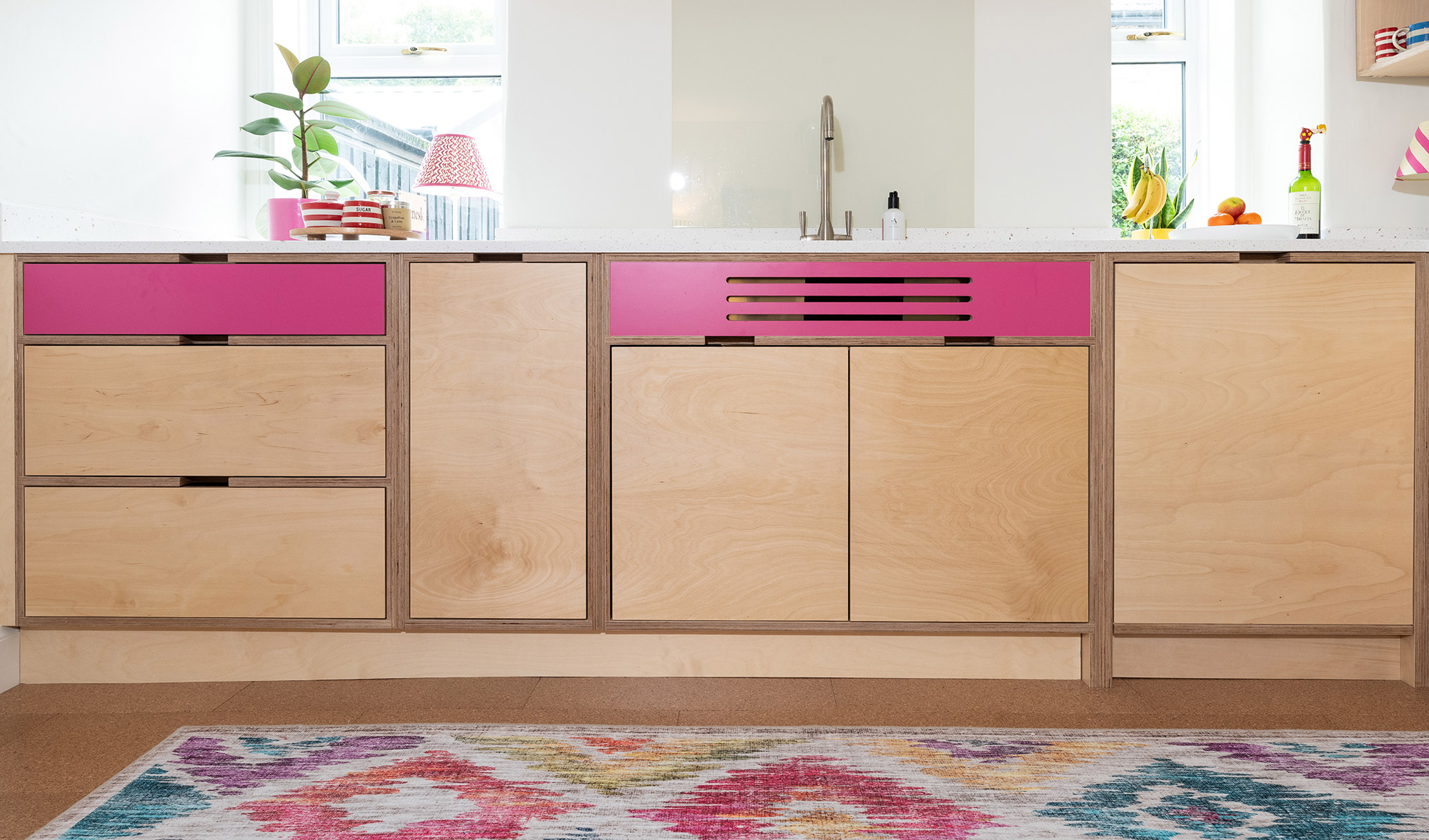
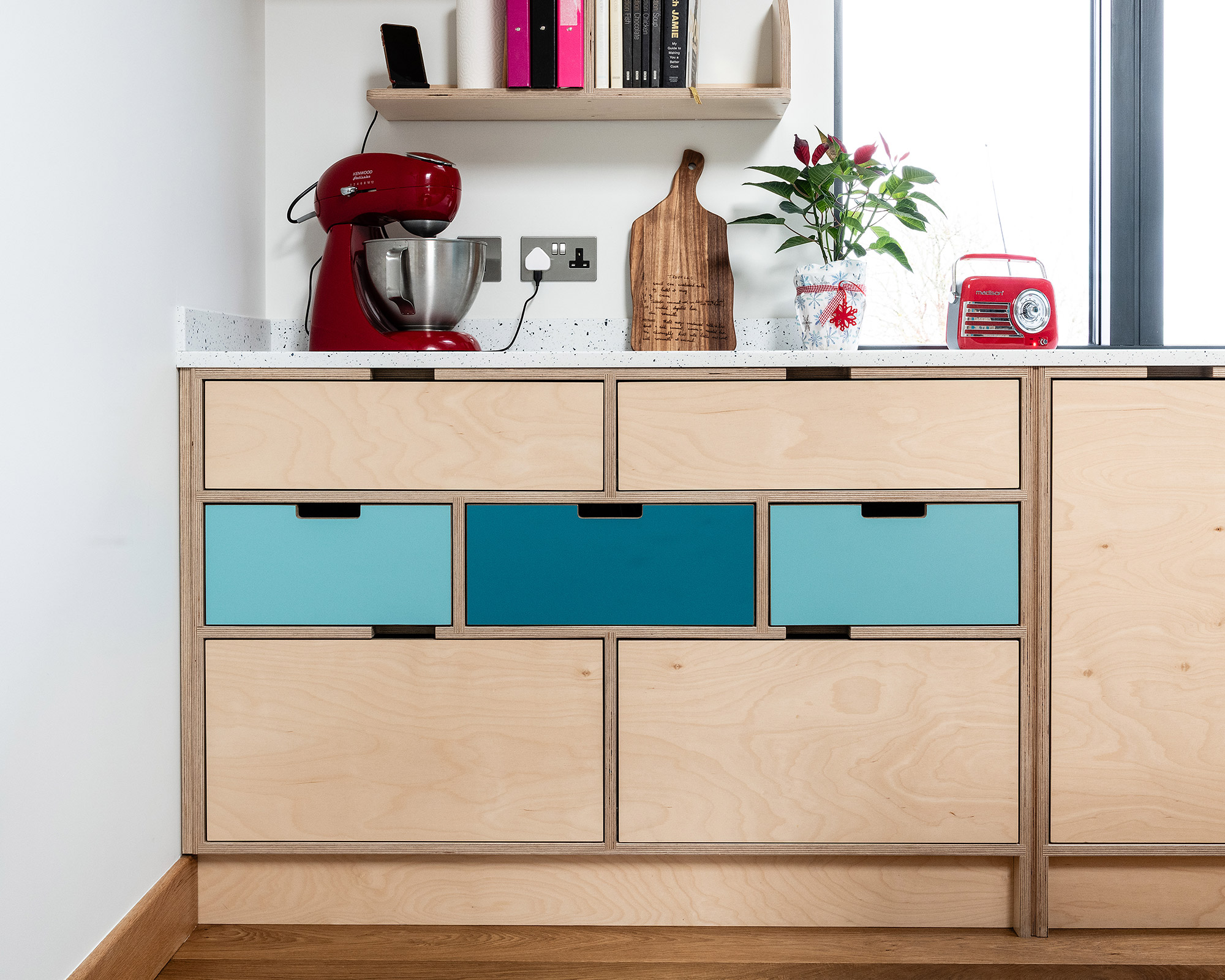
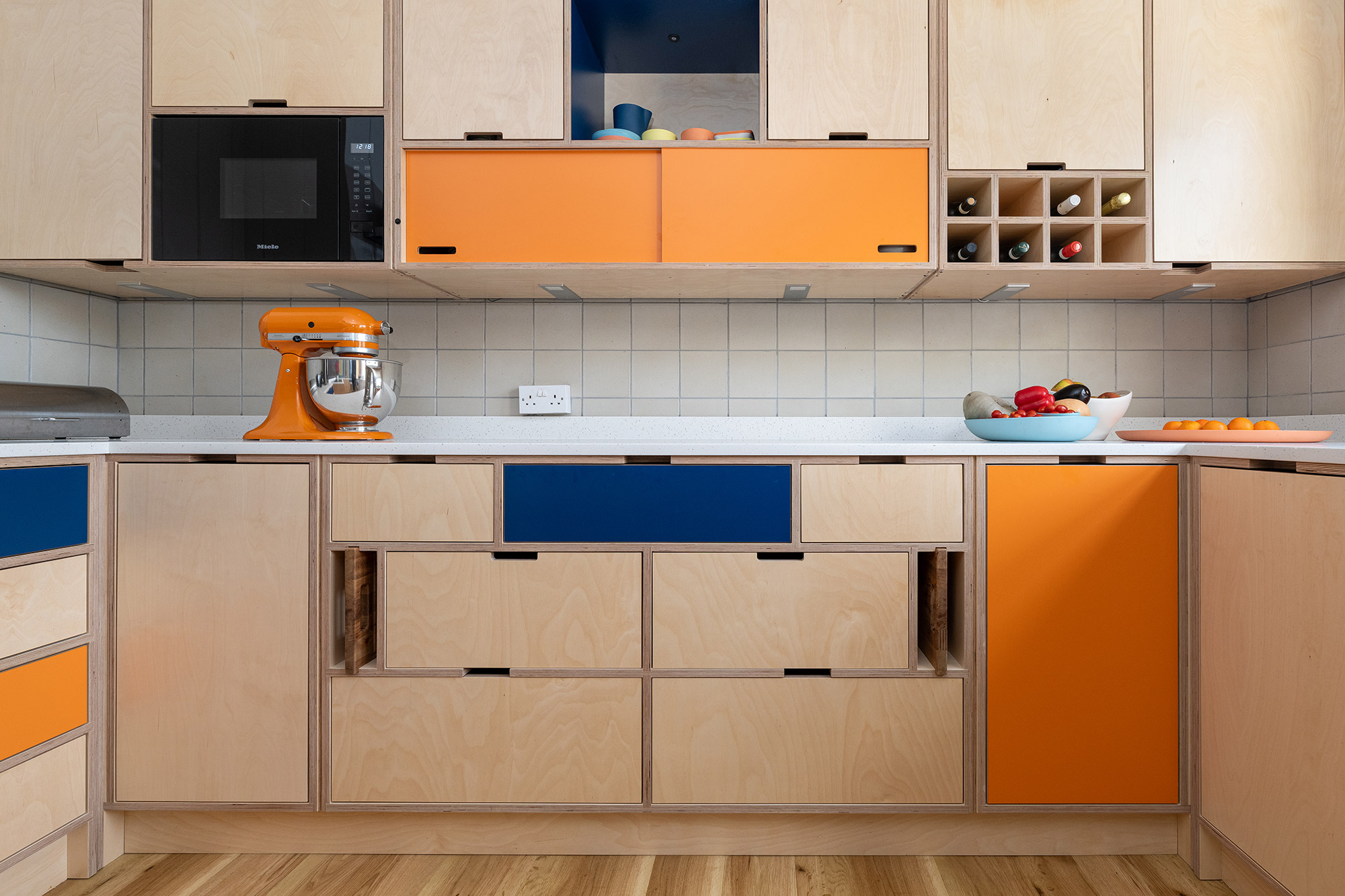
A single bold drawer.
A lined shelf interior.
A flash of laminate in an otherwise natural plywood scheme.
Equally, a completely uncoloured kitchen can feel calm, architectural and quietly confident. Plywood on its own has warmth and character without needing embellishment.
Edit Carefully
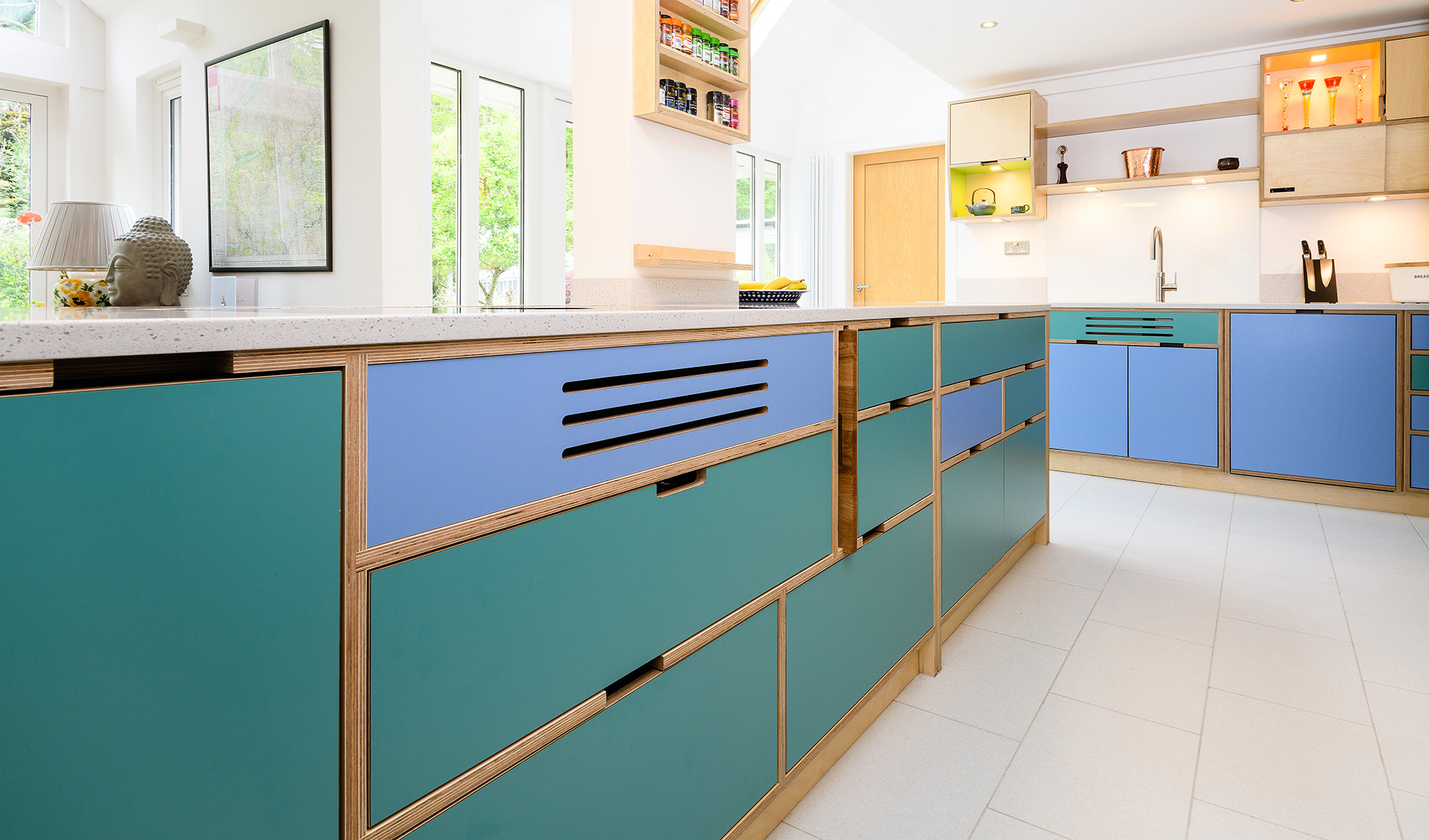
We usually guide clients towards a focused palette — often no more than two or three tones working together.
This keeps the design intentional rather than chaotic. When colour is used with discipline, it feels sophisticated rather than playful for the sake of it.
Samples Matter
We encourage seeing colours in your own light, in your own home.
Laminate samples are easy to source and invaluable when comparing tones against flooring, paint, stone or fabrics. We’re happy to coordinate this process so decisions feel informed rather than overwhelming.
Inspiration Is Useful — But Context Is Everything
Gallery images and mood boards are helpful starting points. But the most successful schemes respond to the specific architecture and light of your room.
A colour that sings in a large, south-facing space may behave very differently in a smaller Highland kitchen.
That’s where experience comes in.